
Applebee’s Nutrition: A Practical Guide to Calories, Allergens & Smarter Ordering
Walk into an Applebee’s and the menu doesn’t lead with nutrition, it leads with riblets, loaded fajitas, and a drink the size of your forearm. That’s the whole appeal of casual dining. But if you’re trying to eat there without derailing a health goal, or you’re managing a food allergy for yourself or a kid, you need more than a menu. You need to know how Applebee’s nutrition data actually works, where the calorie traps hide, and how to use the tools Applebee’s provides before your server ever takes your order.
This isn’t a rehash of a generic calorie chart. It’s a working guide to reading Applebee’s nutritional menu the way someone who actually plans meals around it would.
How Applebee’s Nutrition Information Is Structured
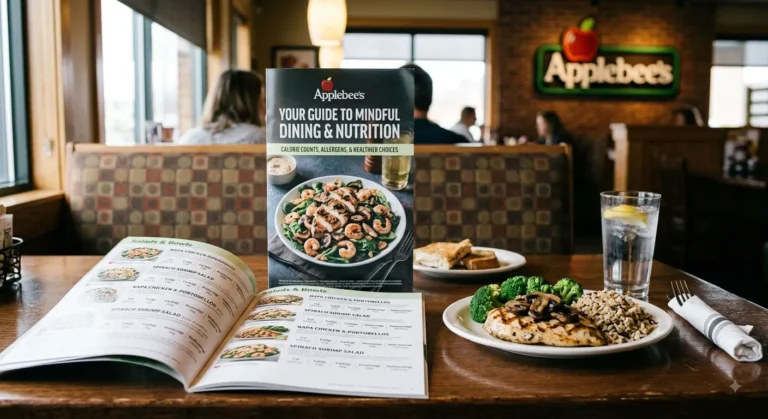
Applebee’s publishes nutrition and allergen data through an interactive nutrition tool on its official site, organized by menu category, appetizers, entrees, handhelds, salads, sides, desserts, and drinks. Instead of a single static PDF, the tool lets you select an item and see its calorie, fat, carbohydrate, sodium, and protein numbers update as you customize it, so a burger with no bun or a bowl with grilled chicken instead of fried shows a different total than the standard listing.
That distinction matters more than most menu guides let on. A dish’s “default” nutrition label often isn’t what lands on your table, because sauces, dressings, and add-ons are usually counted separately. Two people ordering the “same” entree can walk away with meaningfully different calorie and sodium totals depending on what they ask for on the side.
Why Applebee’s Calorie Counts Run So High
Casual-dining chains like Applebee’s are built around portion size, richness, and
shareability not calorie efficiency. A few structural reasons the numbers climb faster
than you’d expect:
- Combo plates stack calories from multiple components. A platter that pairs a protein, a starch, and a sauce is really three or four separate calorie sources served on one plate.
- Burgers and loaded entrees can land well above 1,000 calories once cheese, bacon, specialty sauces, and a side are factored in some of the heavier burger builds and full combo platters can reach into the 1,500–2,000+ calorie range for a single serving.
- Fried preparation adds up fast. Anything breaded and fried tenders, boneless wings, onion rings carries a higher fat and calorie load than its grilled counterpart, often by a wide margin.
- Dressings and sauces are calorie-dense in small volumes. A ranch or creamy dressing can add more fat to a salad than the protein sitting on top of it. None of this means Applebee’s is impossible to navigate. It means the calorie count lives in the details protein prep, sauce choice, and sides not just the entree name.
Reading Between the Lines: Sodium, Sugar, and Portion Size
Calories get most of the attention, but two other numbers deserve equal weight when you’re looking at Applebee’s nutritional menu.
- Sodium is often the bigger issue in casual dining, since seasoning blends, marinades, and sauces are applied heavily for flavor consistency across locations. If you’re watching sodium intake for a medical reason, it’s worth checking the milligram count on an entree before assuming a “healthier-sounding” dish is actually lower in salt grilled items can still carry a heavy sodium load from marinade and seasoning.
- Added sugar shows up in places people don’t expect: barbecue and honey-based sauces, sweetened dressings, and some marinades. A dish that reads as savory can still carry a noticeable sugar count once the sauce is factored in.
- Portion size is the quiet multiplier behind all of it. Many entrees are sized for sharing or for two meals, even when served as one plate. Splitting an entree, boxing half before you start eating, or swapping a side is often a more effective lever than picking a “diet” item off the menu.
Applebee’s Allergen Info: What’s Actually Tracked
Applebee’s nutrition and allergen tool flags the major allergens regulated under U.S. food labeling law: egg, fish, milk, peanuts, sesame, shellfish, soy, tree nuts, and wheat. Selecting an item in the tool shows which of these are present, and in many cases you can adjust ingredients to see how the allergen profile changes.
A few things worth knowing if you’re ordering with an allergy in mind:
- Cross-contact is a real risk, not a formality. Shared fryers, grills, and prep surfaces mean Applebee’s cannot guarantee any dish is completely free of a given allergen, even if that allergen isn’t listed as an ingredient.
- Always tell your server directly, even if you’ve already checked the online tool. Kitchens run substitutions and preparation methods differently store to store, and your server can flag your order to the kitchen in a way the app can’t.
- Ask about substitutions before you order, not after the plate arrives. Many allergens are tied to a specific sauce or garnish that can be left off entirely if the kitchen knows ahead of time.
- Recheck before every visit. Menu items, recipes, and suppliers change over time, so allergen data from a past visit shouldn’t be treated as permanent.
If you or someone you’re dining with has a severe allergy, treat the online tool as a starting point for your order, not the final word, the conversation with kitchen staff is what actually reduces risk.
How to Order Lighter at Applebee’s Without Feeling Like You’re on a Diet
You don’t need to memorize a chart to eat smarter here. A few practical moves consistently cut calories, sodium, or both:
- Ask for sauce on the side. This alone can shave off a meaningful chunk of fat and sugar from a dish, and you still control how much flavor you add back.
- Choose grilled over fried when the option exists. The gap between a grilled and a crispy/fried version of the same protein is usually significant.
- Swap fries for a lighter side like steamed vegetables or a house salad with light dressing, if your location offers substitutions.
- Split a combo plate or box half immediately. Most platters are sized generously enough that half a portion is still a full meal.
- Watch the drink, not just the plate. Sweetened cocktails, milkshakes, and specialty lemonades can rival or exceed an entree in calories.
Using Applebee’s Nutrition Calculator Before You Go
Applebee’s offers an interactive nutrition calculator on its official website that lets you build your exact order, protein, side, sauce, and all, and see the combined nutrition total before you walk in the door. This is the most reliable way to get numbers specific to what you’re actually going to eat, rather than relying on a generic listing that assumes a default preparation. If you’re tracking macros, managing a medical condition, or just curious, checking your planned order there takes the guesswork out of it.
Conclusion
Applebee’s nutrition information isn’t hidden, it’s just easy to skip past on a menu built around comfort food and big portions. The real takeaway is that the entree name tells you less than the sauce, the prep method, and the side you pick alongside it. Check the official nutrition calculator before you go, tell your server about any allergy directly, and use small substitutions sauce on the side, grilled instead of fried, a split plate to keep your meal in line with your goals without giving up the experience of eating out.